 Image 1 of 1
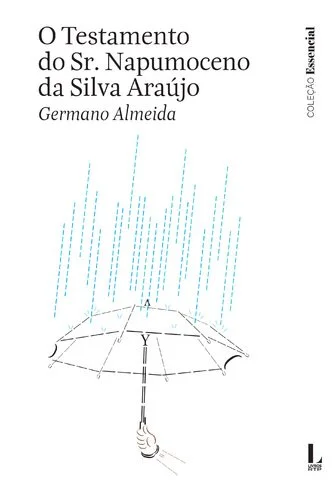
O Testamento do Sr. Napumoceno da Silva Araújo - Germano Almeida
$29.99


The Last Will and Testament of Senhor da Silva Araújo
The Last Will and Testament of Senhor da Silva Araújo (O Testamento do Sr. Napumoceno da Silva Araújo) is a Cape Verdean novel by Germano Almeida. It unravels the life of a wealthy, seemingly upright businessman through the reading of his lengthy will—a detailed autobiography filled with self-deceptions, shady dealings, and the revelation of an illegitimate daughter. The narrative challenges the town's perception of him while exploring themes of identity, memory, and the contrast between public image and private reality. Using humor and irony, Almeida reveals the complex, often pathetic truth behind Napumoceno’s facade, creating a story that mirrors the development of his city, Mindelo, on the island of São Vicente.
Narrative Structure: The story unfolds through a 387-page will that functions as a memoir, complemented by contradictory accounts from other characters that add layers to the truth.
Character: Senhor da Silva Araújo (Napumoceno) is initially presented as a self-made man; however, his will reveals a flawed, farcical figure who was desperate for respect.
Themes: The novel explores the gap between appearance and reality, the subjectivity of memory, the role of the individual in society, and the economic evolution of Cape Verde.
Style: Almeida blends humor with realism, employing a modern style that favors free indirect discourse.
Plot Points: The will reveals an illegitimate daughter, Mariasinha, who was unaware of her parentage, alongside other secrets that dismantle Napumoceno's public image.
Adaptation: It was adapted into the 1997 film Napumoceno's Will, directed by Francisco Manso.
Publisher: Editorial Caminho & Germano Almeida
Publication date: 2018
Book Format: Hard Copy
Print length: 130 pages
Language: Portuguese
The Last Will and Testament of Senhor da Silva Araújo (O Testamento do Sr. Napumoceno da Silva Araújo) is a Cape Verdean novel by Germano Almeida. It unravels the life of a wealthy, seemingly upright businessman through the reading of his lengthy will—a detailed autobiography filled with self-deceptions, shady dealings, and the revelation of an illegitimate daughter. The narrative challenges the town's perception of him while exploring themes of identity, memory, and the contrast between public image and private reality. Using humor and irony, Almeida reveals the complex, often pathetic truth behind Napumoceno’s facade, creating a story that mirrors the development of his city, Mindelo, on the island of São Vicente.
Narrative Structure: The story unfolds through a 387-page will that functions as a memoir, complemented by contradictory accounts from other characters that add layers to the truth.
Character: Senhor da Silva Araújo (Napumoceno) is initially presented as a self-made man; however, his will reveals a flawed, farcical figure who was desperate for respect.
Themes: The novel explores the gap between appearance and reality, the subjectivity of memory, the role of the individual in society, and the economic evolution of Cape Verde.
Style: Almeida blends humor with realism, employing a modern style that favors free indirect discourse.
Plot Points: The will reveals an illegitimate daughter, Mariasinha, who was unaware of her parentage, alongside other secrets that dismantle Napumoceno's public image.
Adaptation: It was adapted into the 1997 film Napumoceno's Will, directed by Francisco Manso.
Publisher: Editorial Caminho & Germano Almeida
Publication date: 2018
Book Format: Hard Copy
Print length: 130 pages
Language: Portuguese
The Last Will and Testament of Senhor da Silva Araújo